
California used car dealerships face new advertising and pricing disclosure requirements under Senate Bill 766 (SB 766), the California Combating Auto Retail Scams (CARS) Act, which took effect October 1, 2026. The California used car dealer pricing law requires dealerships to be more transparent about vehicle pricing, including mandatory dealer charges, installed accessories, and financing terms. For dealers advertising inventory online, these rules affect vehicle listings, pricing disclaimers, and customer communications.
What Does California’s New Car Pricing Law Require?
Under SB 766, dealerships must clearly disclose a vehicle’s total selling price when advertising a specific vehicle.
That price must include:
- The vehicle’s advertised selling price.
- Any dealer markup or price adjustment.
- The cost of accessories and products already installed on the vehicle.
Dealers cannot advertise a lower price by automatically subtracting rebates that customers may not qualify for.
Certain charges, including applicable taxes, registration fees, finance charges, and permitted dealer documentation and electronic filing fees, may still be excluded.
5 Changes California Used Car Dealer Pricing Law Puts On You
1. Update Vehicle Inventory Prices
Every vehicle listing should prominently display the total selling price, including mandatory dealer installed accessories and adjustments.
Dealerships should review both their inventory search results and individual vehicle detail pages to ensure pricing is consistent.
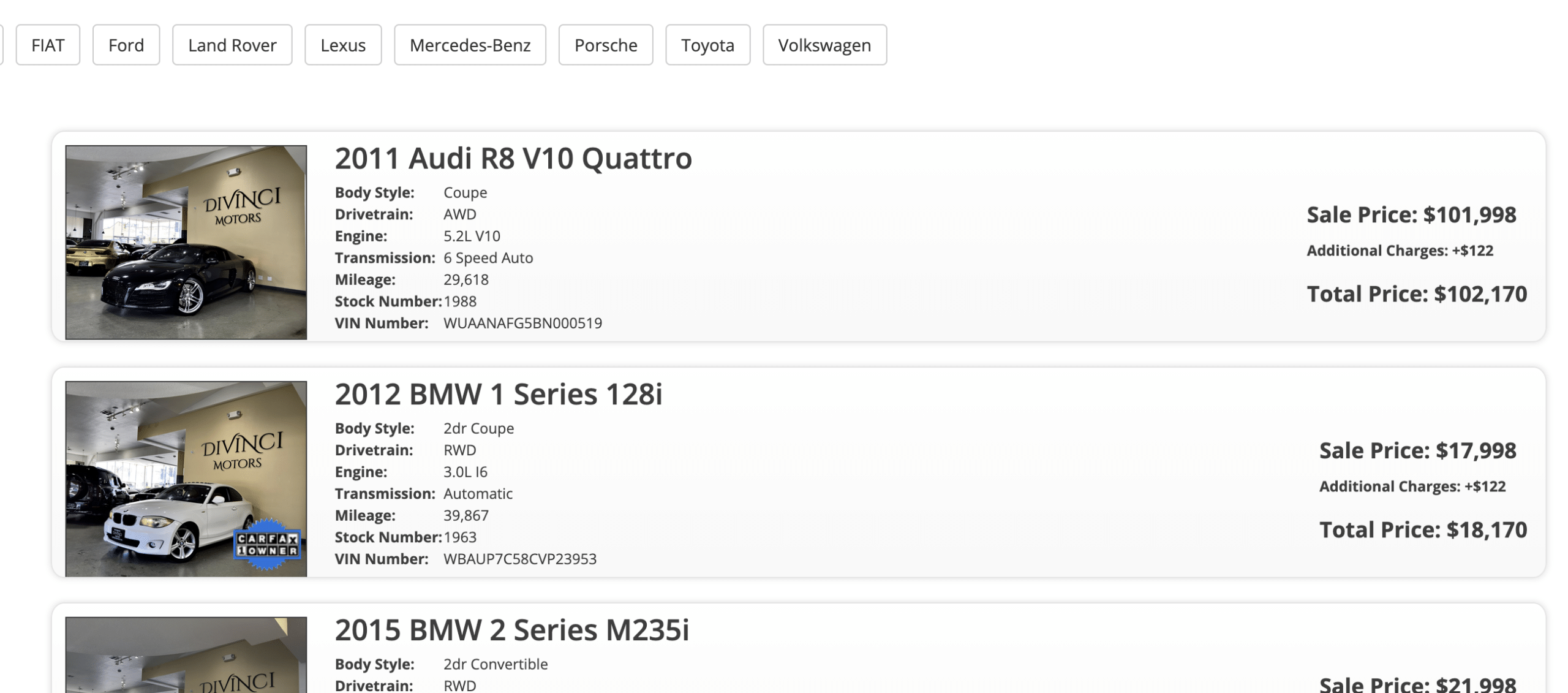
2. Review Pricing Disclaimers
Generic disclaimers such as “Additional dealer accessories may apply” should be reviewed carefully.
If accessories are already installed on the vehicle, their costs must be included in the advertised total price. Optional products should not be presented as mandatory purchases.
3. Update Lead Response Emails and Text Messages
SB 766 requires dealers to disclose the total price in their first written response concerning a specific vehicle.
Automated email responses, CRM templates, and text message workflows should be reviewed to ensure they provide the required pricing information.
4. Review Financing and Payment Calculators
Dealership websites that advertise monthly payments or financing terms should clearly communicate the vehicle’s total price.
Additional disclosures may apply when dealers discuss monthly payment options during negotiations. Consumer adjustable online financing tools have specific exceptions under the law.
5. Maintain Records of Advertised Prices
Dealerships must maintain records demonstrating compliance for at least two years.
This includes online vehicle advertisements and relevant pricing communications. Dealers should confirm their inventory management and dealer website providers can preserve the necessary records.
What About California’s New Three-Day Return Policy?
SB 766 also establishes a three-day cancellation right for qualifying used vehicles priced at $50,000 or less, subject to statutory conditions and exceptions.
Although the law does not generally require a dedicated website page explaining the policy, dealers may want to provide customers with clear information about their cancellation rights. With Auto Ad Manager, this is as easy as adding the information to your default vehicle description or disclaimer, right from your settings page.
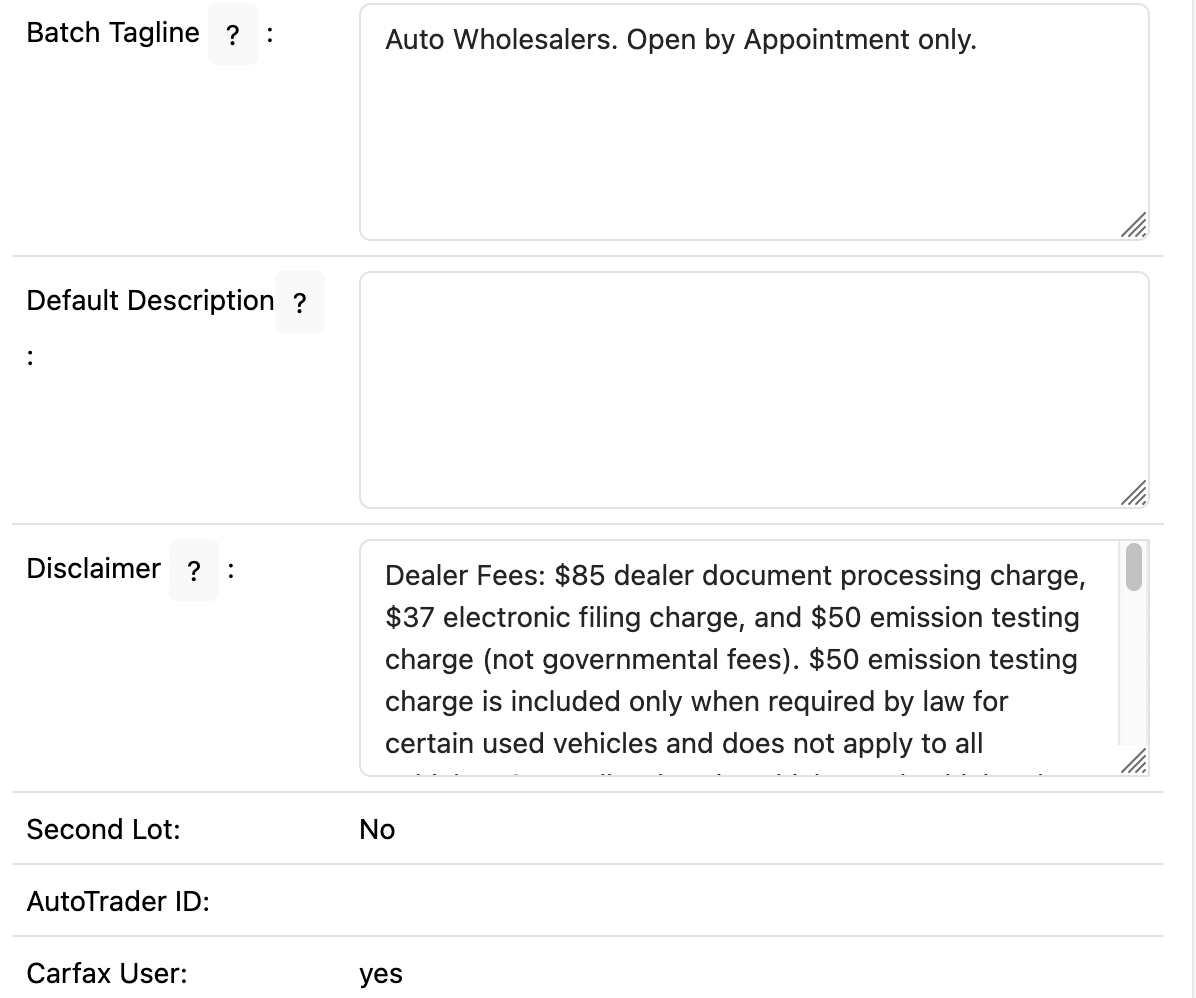
Is Your Dealership Website Ready for the new California used car dealer pricing law SB766?
California’s new pricing requirements make it important for dealerships to review how vehicle prices appear across their websites, online advertisements, and automated customer communications.
Auto Ad Manager helps dealerships manage their online vehicle inventory and advertising. Dealers should review their pricing settings, website templates, and disclosure language to ensure they meet current California requirements.
If you’re unsure whether your dealership website needs updates, contact Auto Ad Manager to discuss your inventory advertising setup.
Sources:
Disclaimer: This article provides general information and is not legal advice. Dealers should consult a qualified California automotive attorney regarding compliance.